

before and after rehab: The Process Recovery Center is willing to serve anyone. If you are eighteen years of age or older, you are eligible to receive services. We recognize that certain stigmas exist around substance use disorders; some people believe that opioid use disorder is a “young person’s disease”. Alcohol use disorder is sometimes labelled as an “older person’s disease”. The Process Recovery Center in Hudson, NH aims to combat all stigma, but we are particularly concerned with removing ageism as a barrier to treatment. Despite differences in age, we all suffer from the same disease. Substance use does not discriminate; it touches people of all ages, ethnicities, and socioeconomic positions. However, if you examine the other side of the coin, you will find that recovery does not discriminate, either. The door to a new way of living is wide open and everyone is invited to pass through. Our modalities of treatment are not tailored toward labels, but toward recognizing the human being. At the Process Recovery Center, we celebrate our differences and learn from each other. We bridge the gaps between us with love and compassion
Since 2017, the Process Recovery Center has partnered with the Human Too campaign to highlight our staff and client success stories. Human Too is a social media campaign dedicated to humanizing people with substance use disorder through the use of portraiture and narrative before and after rehab. Over the years, we’ve observed how easy it is to relate to the clear eyes and smiling faces characterizing many of our portraits. However, we believe that isn’t entirely the point; we want people to compassionately connect to the humanity in people with substance use disorder before they enter recovery. We hope the Before & After Initiative will aid people to see that everyone is worthy of compassion and has the same potential to achieve recovery. May the visual impact of these transformations help you respond from a place of love when you meet someone who is still suffering.
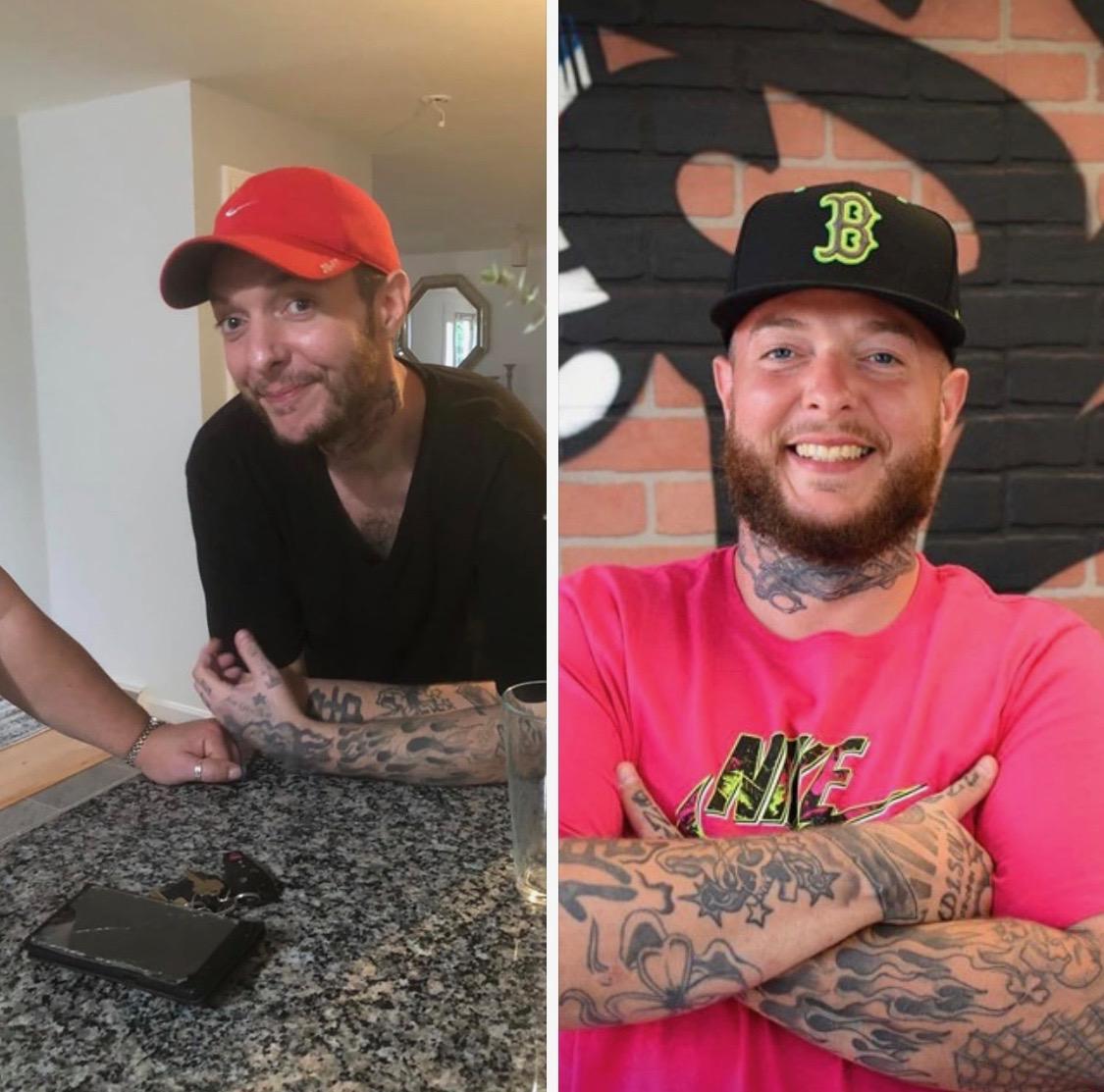
Craig
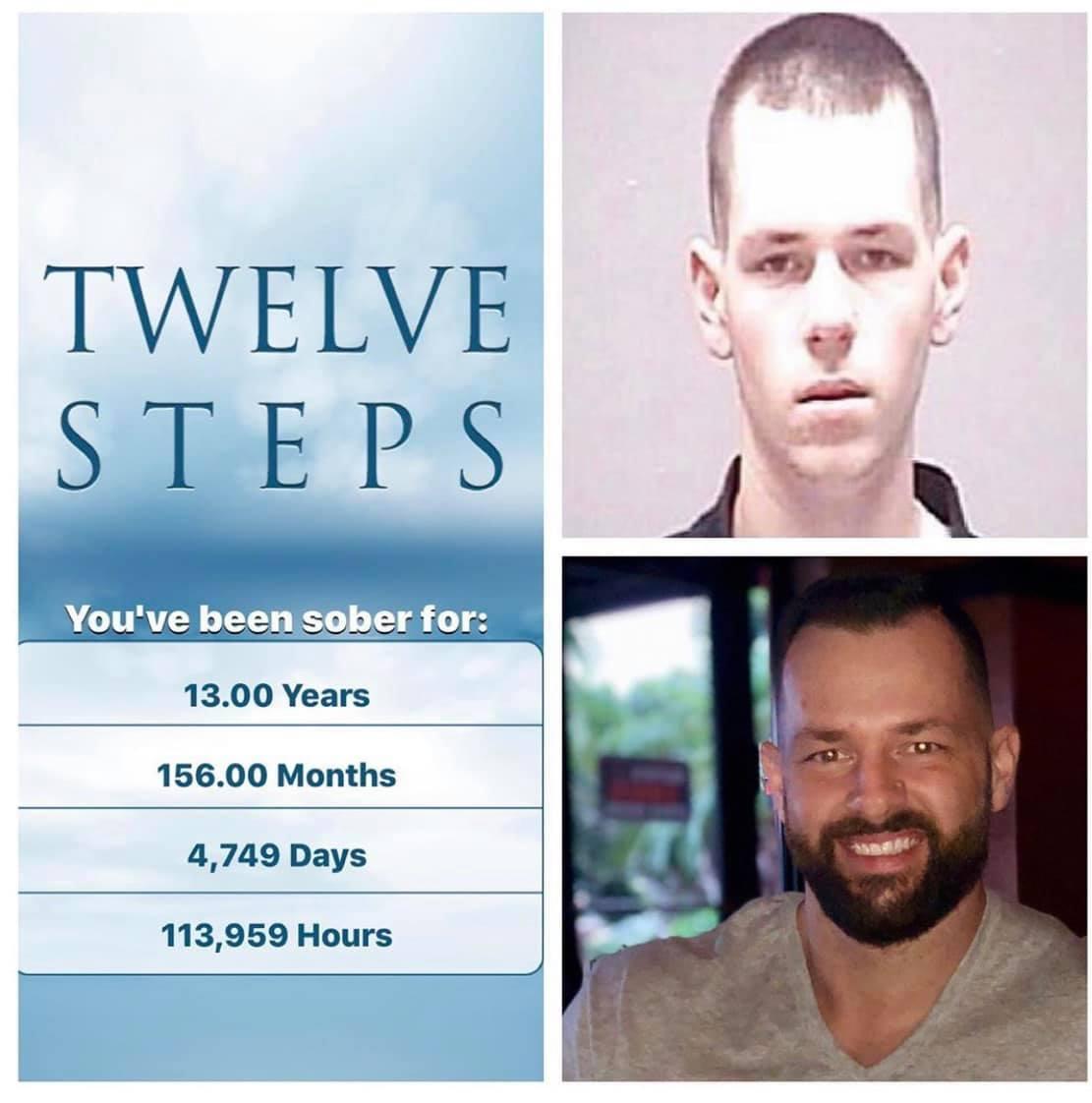
Garrett
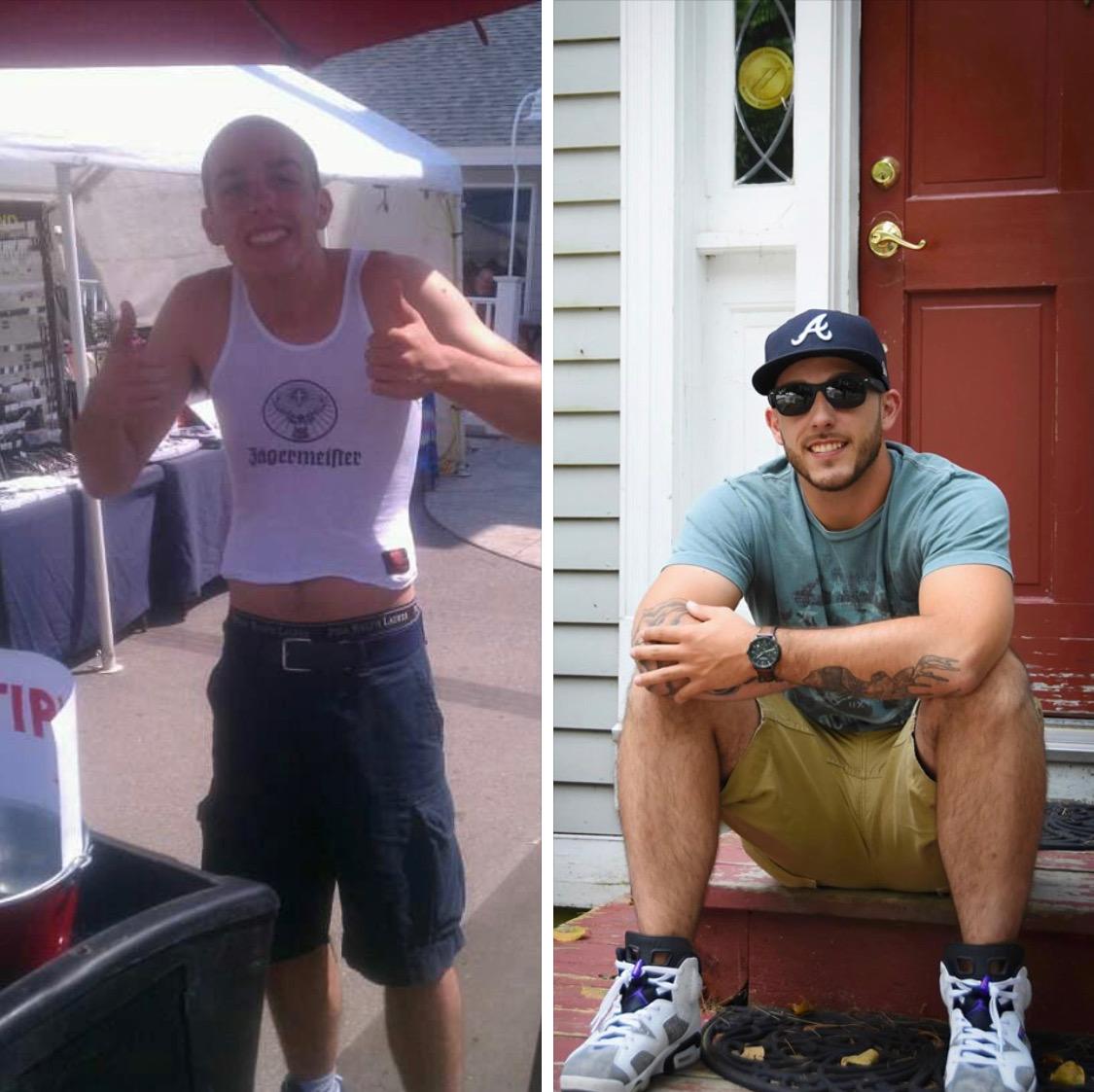
Adam
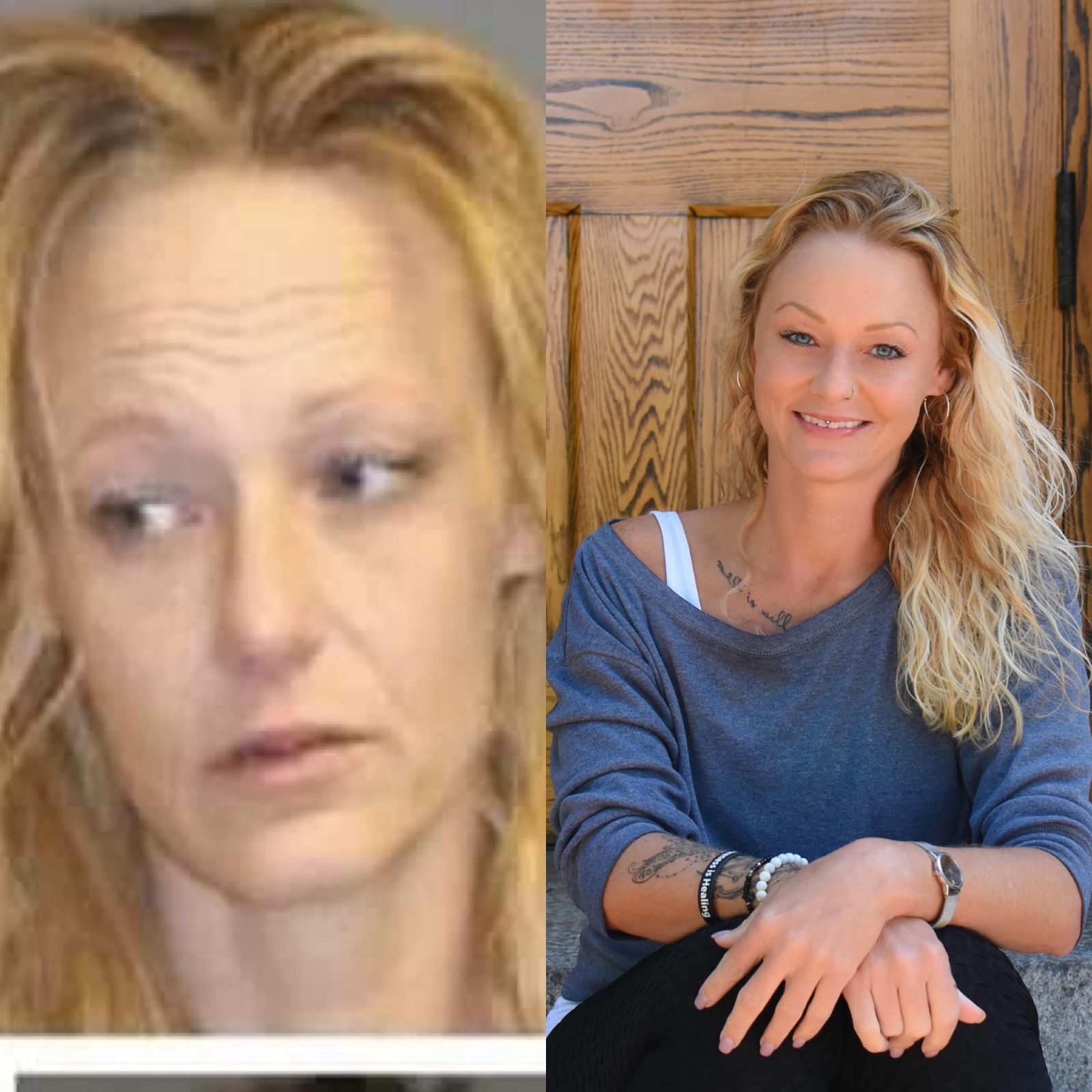
Michelle
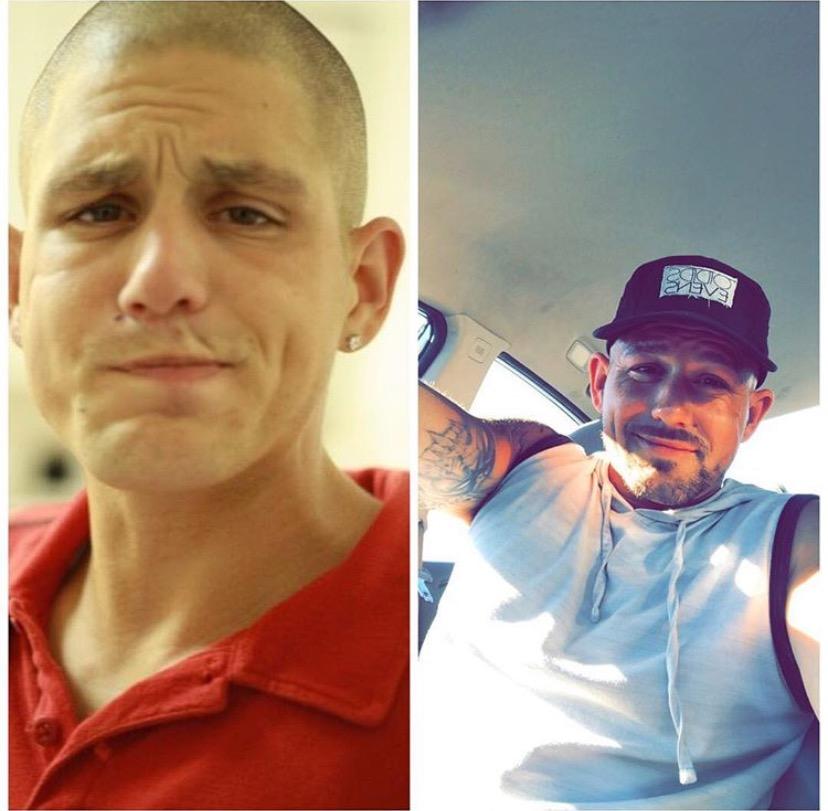
Eddie
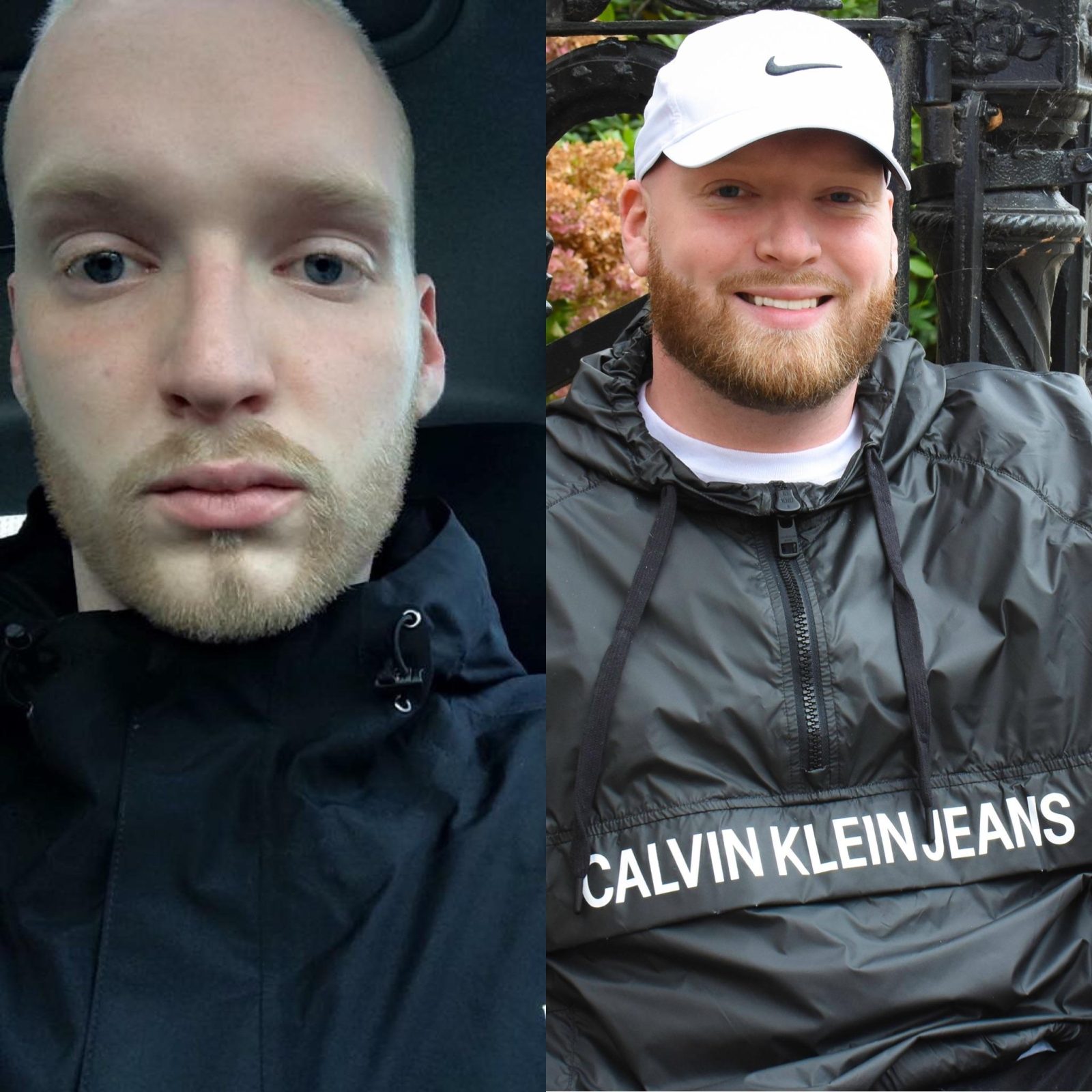
Grant
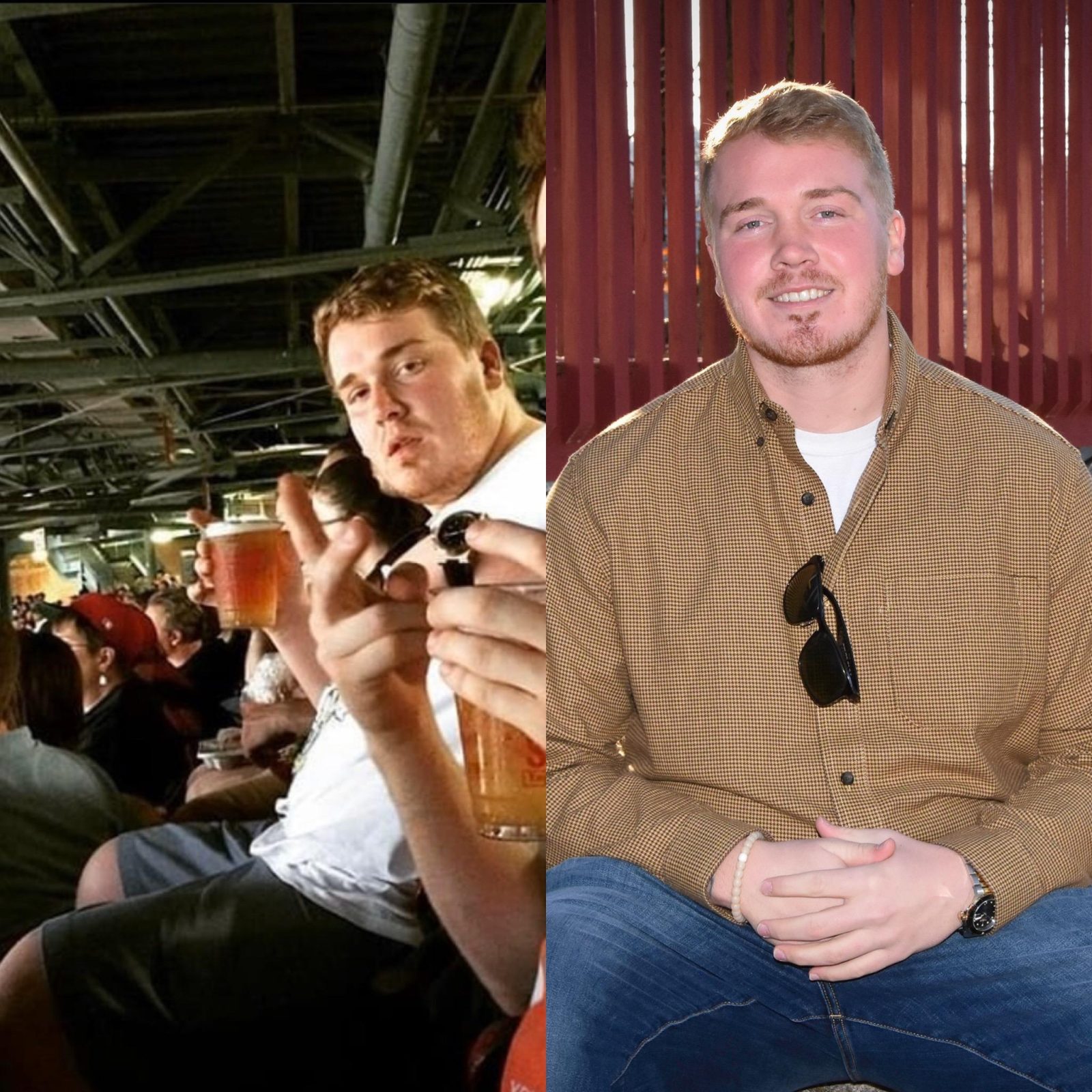
Will
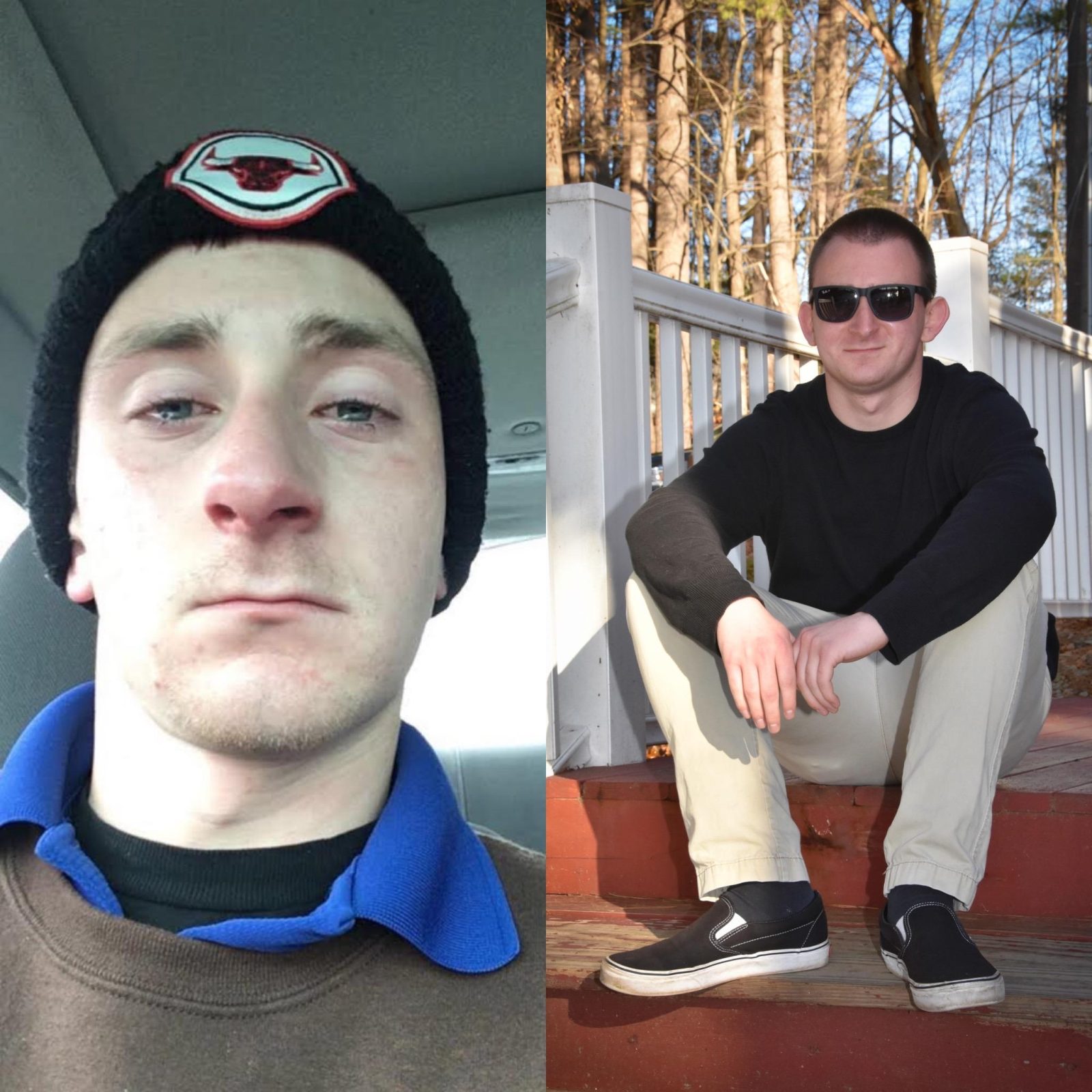
Tyler
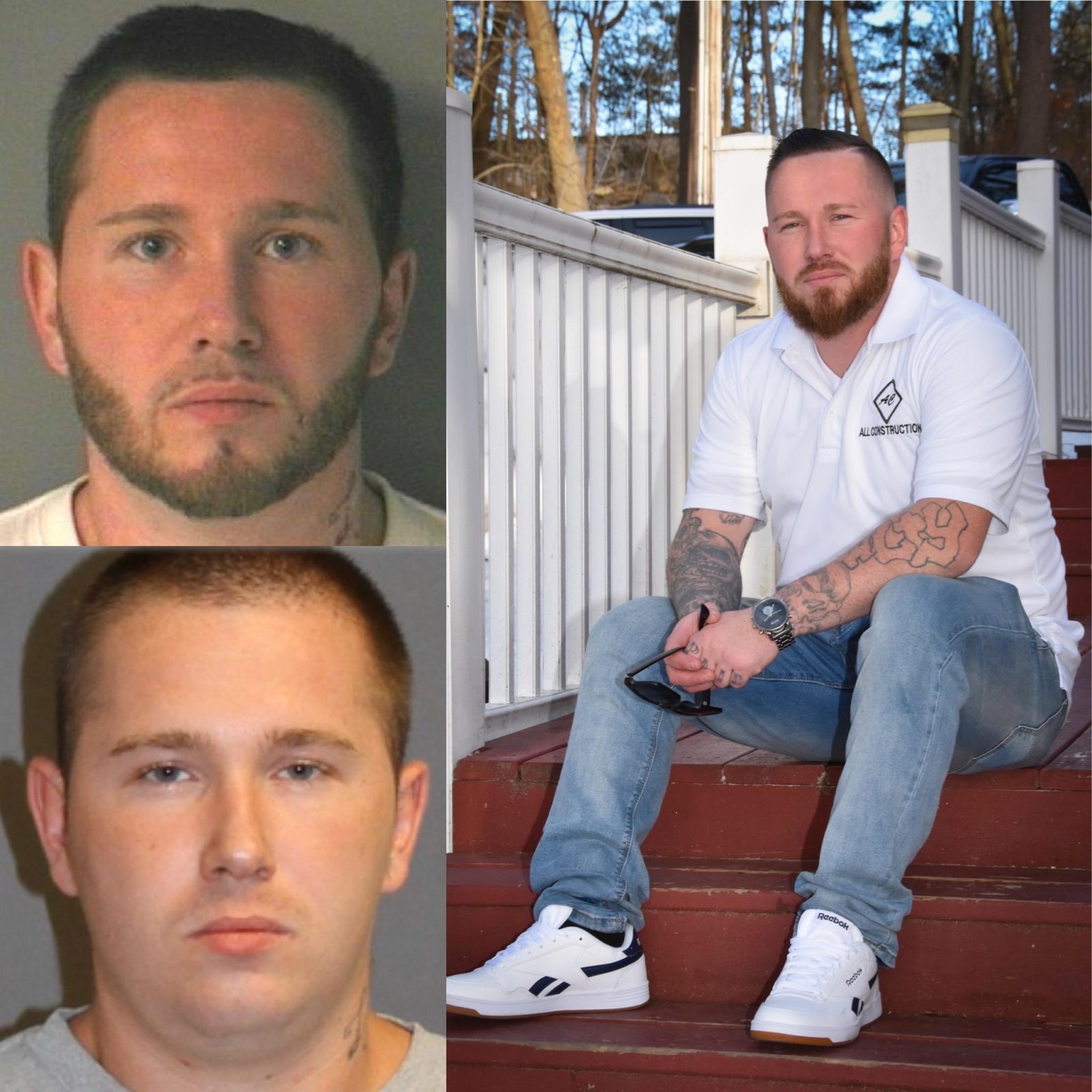
Sean
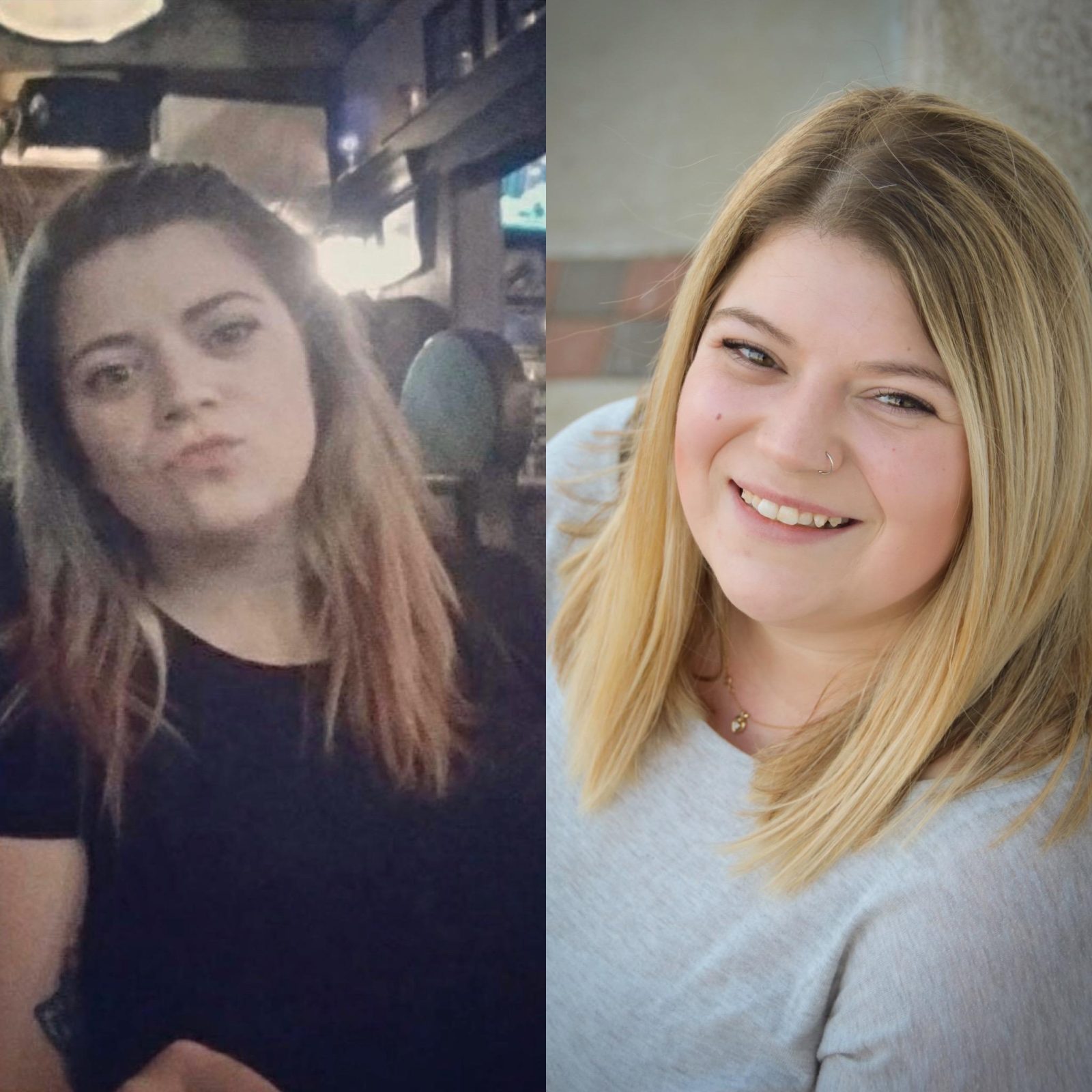
Moe
FAQs For Before And After Rehab
What is the Process Recovery Center and Human Too campaign?
The Process Recovery Center is a substance use disorder treatment facility that has partnered with the Human Too campaign, a social media movement that aims to humanize people with addiction through the use of portraiture and storytelling.
What kind of transformations can one expect to see in the Before and After Initiative?
The Before and After Initiative showcases the transformation of individuals who have undergone substance use disorder treatment. This can include physical changes, such as improved health and appearance, as well as emotional and behavioral changes, such as increased self-awareness, confidence, and healthy coping skills.
What is the purpose of the Before and After Initiative?
The purpose of the Before and After Initiative is to destigmatize addiction and substance use disorder treatment by showcasing the success stories of individuals who have undergone treatment. It also aims to inspire hope and encourage others to seek treatment.
What are the differences between individual and group therapy?
Individual therapy involves one-on-one sessions with a therapist, while group therapy involves multiple individuals working together with a therapist. Both types of therapy can be effective for treating substance use disorder, but individual therapy may be more beneficial for those with complex mental health needs, while group therapy may be more helpful for building a support network and practicing social skills.
How can someone de-stress and stay sober during the holidays?
Staying sober during the holidays can be challenging due to increased stress and social pressures. To de-stress and maintain sobriety, individuals can attend support group meetings, practice self-care activities like exercise or meditation, avoid triggers and high-risk situations, create new holiday traditions, and reach out to friends, family, or a therapist for support.
What is the phone number to contact the Process Recovery Center?
The phone number for the Process Recovery Center is (603) 506-4807.