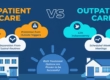


Addiction affects millions of people and their families every year. While the challenges can feel overwhelming, recovery is possible with the right support and treatment plan.
One of the most important first steps is understanding the different types of addiction treatment available and how each approach helps individuals regain control of their lives.
Addiction treatment is not one-size-fits-all. Different therapies and programs address different needs, depending on the substance involved, the severity of addiction, and personal circumstances.
By exploring the various addiction treatment options, individuals and families can find the path that best supports long-term recovery.
Types of Addiction Treatment: The Fast, Clear Answer (Best Options)
The best types of addiction treatment include medical detox, inpatient rehab, outpatient programs, therapy, medication-assisted treatment (MAT), dual diagnosis care, and aftercare. Most people get the strongest results when these are combined into a structured plan based on their substance use, mental health needs, and relapse risk.
Ready to get help in New Hampshire
If you are in New Hampshire or searching for New Hampshire Drug Rehab | Alcohol Rehabs in NH: Process Reco, talk to our team today.
Call (603) 704-3620 or use our form: https://www.theprocessrecoverycenter.com/contact-us/
List of Most Common & Effective Types of Addiction Treatment
Below are the most common and effective types of addiction treatment used in modern rehabilitation programs.
1. Medical Detox (Detoxification)
Medical detox helps your body safely clear drugs or alcohol while withdrawal symptoms are monitored and managed. This is often the first step for substances that can cause intense or dangerous withdrawal.
Detox can include:
- clinical monitoring
- comfort support
- medication when appropriate
- stabilization and next-step planning
Important note: detox alone is usually not enough. It works best when followed by a full treatment program.
2. Inpatient Rehab (Residential Treatment)
Inpatient rehab provides 24/7 structured support in a controlled environment. This option is often ideal when relapse risk is high or when home life makes recovery harder.
Inpatient rehab typically includes:
- daily therapy sessions
- group counseling
- relapse prevention planning
- routine building and life skills
- support for sleep, nutrition, and stress management
Best fit for:
- severe addiction
- multiple relapses
- unsafe home environment
- co-occurring mental health symptoms
3. Outpatient Rehab Programs
Outpatient treatment lets a person live at home and attend treatment sessions on a schedule. It works well for people who need care but still have work, school, or family responsibilities.
Common outpatient options:
- standard outpatient counseling
- Intensive Outpatient Programs (IOP)
- partial hospitalization programs (PHP) in some settings
Best fit for:
- mild to moderate addiction
- strong home support
- stable housing and routines
- step-down care after inpatient rehab
4. Behavioral Therapy and Counseling
Therapy is the core of most addiction recovery programs. It helps people understand why substance use became a coping tool, then replaces it with healthier strategies.
Common therapy types include:
Cognitive Behavioral Therapy (CBT)
CBT helps identify triggers, challenge unhelpful thinking patterns, and build skills to prevent relapse.
Dialectical Behavior Therapy (DBT)
DBT focuses on emotional regulation, distress tolerance, and relationship skills. It often helps when substance use is connected to intense emotions or trauma.
Motivational Interviewing (MI)
MI helps strengthen a person’s internal motivation to change and stay engaged in treatment.
5. Medication-Assisted Treatment (MAT)
Medication-assisted treatment combines approved medications with counseling and structured therapy. MAT can reduce cravings, support brain recovery, and lower relapse risk, especially for opioid and alcohol use disorders.
MAT may include medications such as:
- buprenorphine
- methadone
- naltrexone
MAT works best when paired with therapy, accountability, and a long-term plan.
6. Dual Diagnosis Treatment (Addiction plus Mental Health)
Many people face addiction alongside anxiety, depression, PTSD, bipolar disorder, or other mental health concerns. Dual diagnosis care treats both at the same time.
This approach may include:
- addiction therapy
- psychiatric support
- medication management when needed
- trauma-informed counseling
- relapse prevention built around mental health triggers
When mental health is ignored, relapse risk usually rises. Integrated care improves outcomes.
7. Group Therapy and Peer Support
Group therapy helps people feel understood and less alone. It also builds accountability and practical coping strategies.
Group support can include:
- therapist-led group sessions
- recovery education
- 12-step or non-12-step peer groups
- family support groups
This is where many people learn how to talk through cravings, setbacks, and stressful life events without returning to substances.
8. Aftercare and Relapse Prevention Planning
Aftercare protects recovery once formal treatment ends. It is one of the most important parts of long-term success.
Aftercare can include:
- continued therapy
- sober living options
- recovery coaching
- alumni programs
- relapse prevention check-ins
- routines for sleep, nutrition, and stress control
Think of aftercare as the system that keeps progress stable when real life starts testing you again.
How to Choose the Right Treatment Type
The “best” option depends on:
- substance type and use history
- relapse history
- withdrawal risk
- mental health symptoms
- home environment and support
- work and family obligations
A professional assessment helps match the right intensity of care with the right therapies.
FAQs
What are the main types of addiction treatment?
The main types include medical detox, inpatient rehab, outpatient rehab, therapy, medication-assisted treatment (MAT), dual diagnosis care, group support, and aftercare.
Is inpatient rehab better than outpatient rehab?
Inpatient rehab is often better when relapse risk is high or home support is weak. Outpatient can work well for mild to moderate addiction with strong support and stability.
Do you need detox before rehab?
Not always, but detox is recommended when withdrawal is expected to be intense or dangerous. A clinical assessment can confirm the safest next step.
What treatment works best for long-term recovery?
The best outcomes usually come from a combined plan: therapy plus structured support, relapse prevention, and aftercare. Many people also benefit from MAT and dual diagnosis care.
Conclusion
There are many effective types of addiction treatment, including detox, inpatient rehab, outpatient programs, therapy, MAT, dual diagnosis care, peer support, and aftercare.
The strongest recovery plans combine multiple treatment options based on relapse risk, mental health needs, and real-life responsibilities.