

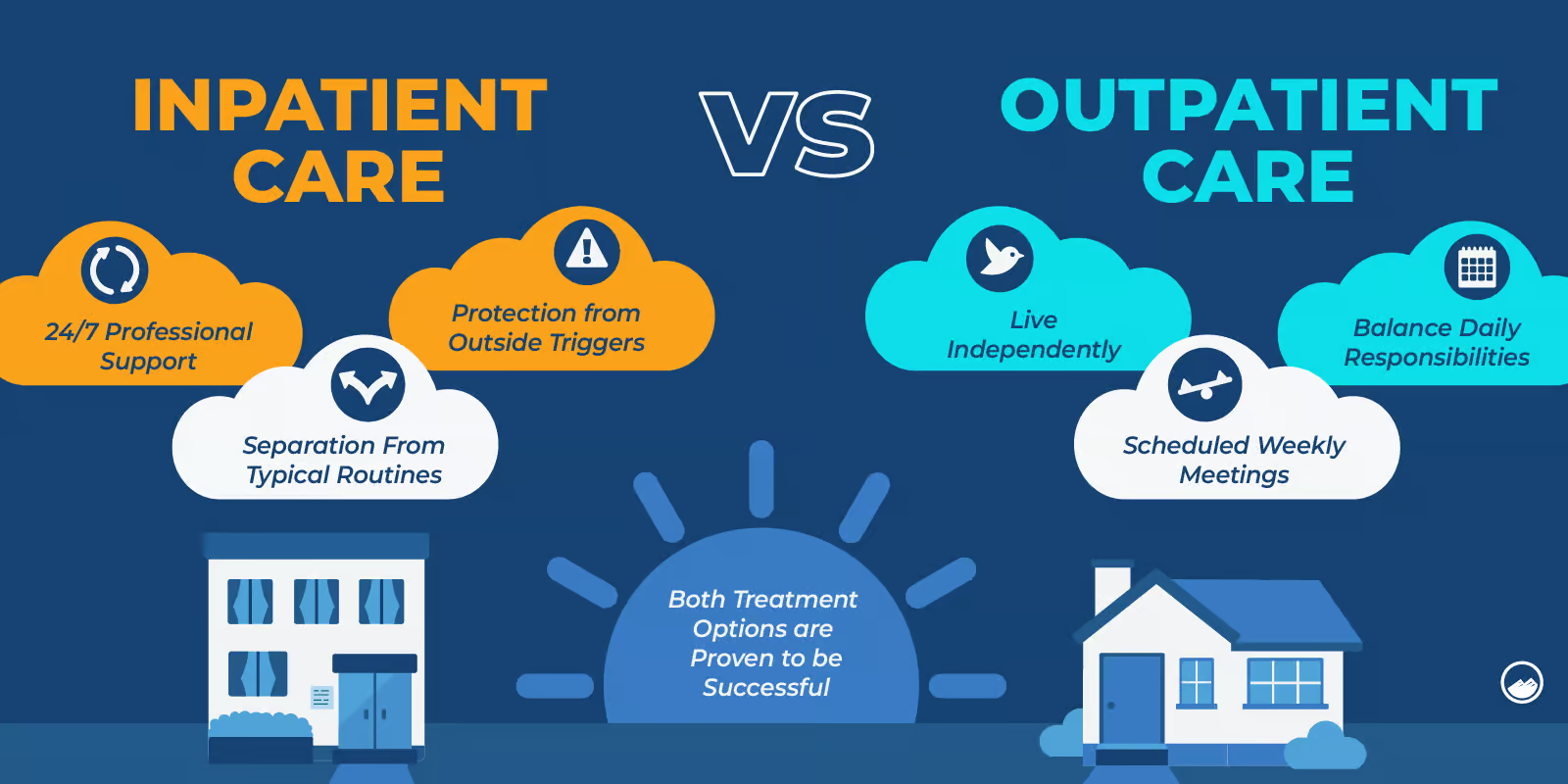
When you’re ready to seek help for addiction, the first big decision is whether to enter inpatient rehab or start an outpatient program. Both can lead to lasting recovery but the right choice depends on your history with substances, your mental health, and the support you have at home.
Here’s a clear, no-fluff breakdown of how these two models differ, who each one fits best, and how to decide what’s right for you.
Inpatient vs. Outpatient Rehab at a Glance
| Feature | Inpatient Rehab | Outpatient Rehab |
|---|---|---|
| Living Arrangement | Stay on-site 24/7 in a structured, drug-free setting | Live at home and attend scheduled treatment sessions |
| Medical Supervision | 24/7 access to doctors & nurses | Periodic check-ins or day visits |
| Intensity | Highly immersive; therapy, education, and activities every day | Flexible schedule; usually evenings or daytime sessions |
| Detox | Often included or closely managed | Typically completed separately before starting |
| Best For | Severe addiction, frequent relapse, co-occurring mental health issues, unsafe home environment | Mild to moderate addiction, strong home support, work or school commitments |
| Length | 30, 60, 90+ days (can extend to 6–12 months if needed) | Weeks to several months, often step-down after inpatient |
What Is Inpatient Rehab?
Inpatient (or residential) rehab means you live at the treatment center full-time. Each day is highly structured: medical detox (if needed), individual therapy, group therapy, skill-building sessions, family involvement, and holistic care like fitness, nutrition, and mindfulness.
The goal is to remove you from triggers and give you uninterrupted focus on recovery.
Typical program lengths:
- 30 days – Foundation: detox, stabilization, coping tools, aftercare planning
- 60 days – More time for trauma work, relapse prevention, and life restructuring
- 90 days+ – Strongest outcomes for chronic addiction, mental health disorders, or repeated relapses
- Long-term residential (6–12 months) – Full reset when home life is unstable or relapse risk is high
Key benefits:
- 24/7 supervision and medical care
- Zero access to substances and triggers
- Time to rewire habits without distractions
- Strong peer support and therapeutic community
What Is Outpatient Rehab?
Outpatient rehab lets you live at home while attending scheduled treatment sessions; anywhere from a few hours per week to several hours per day depending on the program’s intensity.
It’s ideal if you need flexibility for work, school, or family while still getting professional care.
Levels of outpatient care:
- Partial Hospitalization (PHP) – 4–6 weeks, full-day treatment several days a week
- Intensive Outpatient (IOP) – 8–12 weeks, multiple therapy sessions per week, often evenings
- Standard Outpatient – 1–2 sessions per week, best for ongoing support or aftercare
Key benefits:
- Live at home and maintain work/school responsibilities
- Lower cost compared to residential care
- Step-down option after inpatient treatment
- Access to family and community support while in therapy
How to Decide Between Inpatient and Outpatient Rehab
There’s no one-size-fits-all answer; but these questions help guide the choice:
- Severity of addiction: Heavy or long-term use, frequent relapse, or dangerous withdrawal symptoms lean toward inpatient.
- Mental health needs: Co-occurring depression, anxiety, PTSD, or bipolar often require inpatient dual-diagnosis treatment.
- Home environment: If it’s unsafe, high-stress, or has easy access to drugs/alcohol, inpatient is safer.
- Work & family commitments: If you must stay present for work or childcare and your addiction is moderate, outpatient can fit.
- Budget & insurance: Inpatient costs more but may be worth the investment if relapse risk is high.
Cost and Insurance Considerations
- Inpatient rehab: Typically higher due to 24/7 care, meals, housing, and medical supervision. Insurance may cover part or all if medically necessary.
- Outpatient rehab: More affordable, but costs vary based on hours per week and services included.
Always check with your insurance provider about coverage for detox, residential stays, and step-down outpatient care.
Combining the Two; A Proven Approach
Many people start inpatient rehab for detox and intensive therapy, then step down to outpatient care for continued support while reintegrating into everyday life.
This continuum of care lowers relapse risk and helps you transition safely with therapy, peer groups, and aftercare planning.
Why Professional Assessment Matters
Before deciding, it’s crucial to have a clinical evaluation. A licensed addiction specialist can review:
- Substance use history and withdrawal risk
- Mental health conditions
- Home stability and support system
- Past relapses or failed attempts at quitting
This helps tailor a treatment plan that fits your real needs, not just convenience.
Ready to Take the First Step?
If you’re unsure whether inpatient or outpatient rehab is right for you, don’t decide alone.
At The Process Recovery Center, we help you assess your history, triggers, and life situation to create a recovery plan that fits.
Call (866) 885-8577 or reach out to us here; we’ll guide you from detox to aftercare so you can build a life free from addiction.
Quick Takeaway
- Inpatient rehab = full-time, structured care; best for severe cases or unsafe home environments.
- Outpatient rehab = flexible, cost-effective; best for moderate addiction with strong support at home.
- Many people benefit from starting inpatient, then stepping down to outpatient for long-term success.
Recovery isn’t about choosing what’s easiest; it’s about choosing what works. The right start gives you the best chance at lifelong sobriety.
Frequently Asked Questions About Inpatient vs. Outpatient Rehab
1. What is the main difference between inpatient and outpatient rehab?
Inpatient rehab means living at a treatment center full-time with 24/7 care and a structured daily schedule. Outpatient rehab lets you live at home while attending scheduled therapy and support sessions.
2. Is inpatient rehab more effective than outpatient rehab?
For severe addiction, co-occurring mental health issues, or high relapse risk, inpatient care usually delivers stronger results because of its immersive, trigger-free environment. Outpatient rehab can be equally effective for mild to moderate addiction when there’s strong home support.
3. How long does inpatient rehab usually last?
Most inpatient programs run 30, 60, or 90 days, with options for long-term residential care (6–12 months) when needed. The right length depends on addiction severity, mental health needs, and your recovery progress.
4. How long does outpatient rehab last?
Outpatient programs can run a few weeks to several months. Intensive Outpatient Programs (IOP) often last 8–12 weeks, while Partial Hospitalization Programs (PHP) can run 4–6 weeks or longer. Standard outpatient therapy can continue as ongoing aftercare.
5. Can I work while in outpatient rehab?
Yes. Outpatient rehab is designed to fit around work, school, or family commitments. Many sessions are offered in the evenings or at flexible times.
6. How much does inpatient vs. outpatient rehab cost?
Inpatient rehab is generally more expensive because it covers housing, meals, and 24/7 care. Outpatient rehab costs less but varies depending on program intensity. Insurance may cover some or all of either program if it’s medically necessary.
7. Can I switch from outpatient to inpatient rehab if needed?
Absolutely. Many people start with outpatient care and move to inpatient if they struggle with cravings or relapse risk. Likewise, people often step down from inpatient to outpatient for continued support.
8. Which type of rehab should I choose if my home environment isn’t supportive?
If your home life involves substance use, high stress, or lack of support, inpatient rehab is usually the safer and more effective choice.